

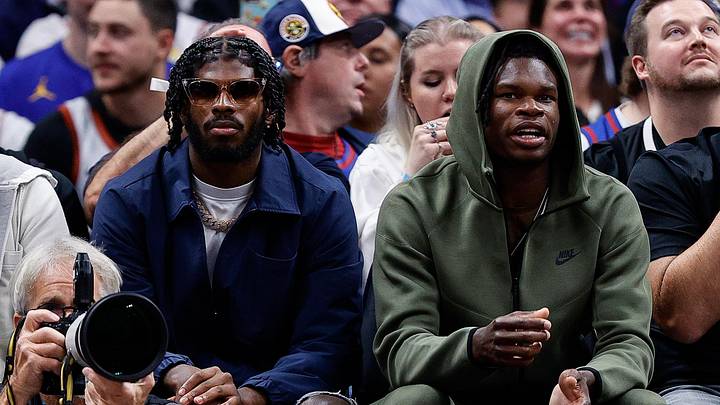
The NFL Draft told one story about Shedeur Sanders. The marketplace told another.
When Sanders unexpectedly slid to the fifth round of the 2025 NFL Draft, much of the discussion centered around the money he potentially left on the table. As the 144th overall selection, the former Colorado quarterback signed a rookie contract worth significantly less than what many projected for him entering the draft process.
One year later, those concerns appear far less significant.
According to newly disclosed figures from the NFL Players Association, and as first reported by Front Office Sports, Sanders generated approximately $17.7 million in licensing and player marketing revenue during the reporting period, the highest total ever reported through the NFLPA’s group licensing program. Former Colorado teammate Travis Hunter finished second at approximately $12.8 million.
The accomplishment is even more impressive considering the company they surpassed. The previous record was reportedly held by Tom Brady at approximately $9.5 million, meaning Sanders and Hunter became the first players to exceed the $10 million mark through NFLPA licensing revenue.
The figures provide another reminder of just how much attention Colorado football commanded during the Deion Sanders era.
Under Coach Prime, the Buffaloes transformed from one of college football’s most overlooked programs into one of its biggest attractions. Colorado games became national events. Practices generated headlines. Recruiting weekends drew massive audiences online. The spotlight surrounding the program helped elevate Sanders and Hunter from elite college players into recognizable national brands long before they reached the NFL.
Of course, the marketing appeal surrounding Colorado football did not begin with Shedeur Sanders or Travis Hunter. It started with Deion Sanders. Long before arriving in Boulder, Coach Prime had established himself as one of the most marketable figures in sports through partnerships with brands such as California Almonds, Depend, KFC, Aflac, Blenders Eyewear, and many others. When Sanders took over the Colorado program, he brought not only national attention but also a blueprint for turning athletic success into marketability. The visibility surrounding the Buffaloes created an environment where players could build personal brands that extended far beyond college football.
That visibility appears to have carried directly into the professional ranks.
NFLPA group licensing revenue is generated through products and promotions involving multiple players, including jerseys, trading cards, video games, collectibles, appearances, and other licensed merchandise. In many ways, the numbers serve as a reflection of consumer demand. Fans spent money on products connected to Sanders and Hunter at a level never before seen for NFL players.
The reported totals exclude individual endorsement agreements and many of the separate marketing opportunities available to both players. Sanders has built one of the most recognizable endorsement portfolios in football, highlighted by his partnership with Gatorade and numerous other national brands. Hunter has also secured a growing list of sponsorship and marketing opportunities of his own.
The success of Sanders and Hunter may also resonate with quarterback Julian Lewis as he navigates the early stages of his Colorado career. In an era when players frequently transfer in search of better opportunities, Colorado can now point to tangible evidence that staying in Boulder can provide more than on-field development. The combination of national exposure, media attention, NIL opportunities, and long-term brand building helped transform Sanders and Hunter into two of the most marketable young athletes in football. If Lewis develops into the player many expect him to become, Colorado now has a blueprint showing how that visibility can extend well beyond college football and into the NFL.
Colorado Director of Player Personnel Darrius Darden-Box summed up the development with a brief social media post after the numbers became public.
“Ball out at Colorado—it pays off.”
The statement was short, but the message was clear.
For Colorado, it is another example of how the program’s rise under Deion Sanders extended beyond wins, losses, and recruiting rankings. It helped create two of the most marketable young athletes in professional football and demonstrated that the attention surrounding Coach Prime’s program could translate into unprecedented opportunities long after players left Boulder.
 Add us as a preferred source on Google